Categories
artists Arts & Entertainment music profiles

Van Morrison: Brown-Eyed Girl


“Brown-eyed Girl” was originally called “Brown-Skinned Girl.” The song is about an interracial relationship. Morrison changed the name to make it more acceptable to radio stations at the time (1967). Some stations banned it anyway for the line, “Making love in the green grass.” Why some gatekeepers took issue with the line in the free-loving sixties is beyond me. I guess there is no accounting for taste.

From his roots in Northern Ireland, Van Morrison began his musical career at the age of thirteen. He played the saxophone, harmonica, and guitar in several bands until he formed his own group called “Them.”

“Brown-Eyed Girl” launched Morrison’s solo career due to the song’s overwhelming popularity. Ironically, Morrison never truly cared for the song. He considered it “too commercial.” And the psychedelic cover of Morrison’s first solo album appalled him. I think it’s safe to say Van Morrison never came anywhere near the mainstream of music and pop culture.

Most of Morrison’s work consists of rhythm and blues and occasional jazz pieces. The man may be unpredictable, but his songwriting has certainly been prolific. He has written over three hundred songs in his fifty-year career.

Commercial or not, this is a fun song to play. Here’s my cover.

Categories
Arts & Entertainment current events Economy folk music

Dylan’s Words Echo Still


Bob Dylan wrote “When the Ship Comes In” in 1963 and released it on his “The Times They Are A-Changin’ ” album in 1964. Dylan was in an angry mood when he wrote the song after a hotel clerk refused him a room, thinking the artist was a deadbeat. Dylan finally scored a room after Joan Baez verified his good character. The song is violent and vengeful, but it is also hopeful. The song’s lyrics hint at a vision of a better world built on the ideals of an enlightened generation.

Sixty years have passed since the song first appeared. Aside from a more inclusive social fabric and our ever-advancing technology, I wonder if the times have changed that much. Dylan’s words still ring true in a world where:

  • The cruel and inhuman war in Ukraine rages on.
  • The leading Republican candidate faces numerous indictments for fraud and other misdeeds.
  • The US President’s son faces charges of selling access to his father, and the President may be implicated.
  • Selfish Aramco raises oil prices despite the devastating effect it will have on the world economy.
  • Oil companies make token gestures toward clean energy while sitting on their hands and raking in hundreds of billions in profits from the sale of fossil fuels.
  • Billions of people continue to live under dictatorships and go to bed hungry every night.
  • The clock is running out on Global Warming.

We need the social conscience and action of a generation of young people like the one we had in the sixties. Instead, we have a malaise of complacency and ignorance today with too few bright spots in between. But it’s not too late. “When the Ship Comes In” came to me in a dream. It came, literally, from out of nowhere. It must have come to me for a reason. Maybe Dylan’s resounding words will spark something in us. Here’s my cover.

Categories
artists Arts & Entertainment music songwriting

Right Here Waiting


When Richard Marx wrote “Right Here Waiting,” he never meant to publish it. He wrote the song in 2010 as a personal message to his girlfriend and actress, Cynthia Rhoads. At the time, Rhoads was in South Africa making a film. Since Skype or Google Meets didn’t exist, Marx shipped the track directly to Rhoads. Marx wrote the song in twenty minutes. His friends were so moved by it that they convinced the artist to publish it. The song went on to become one of Marx’s biggest hits.

Prior to this blog post, I had never heard of Richard Marx. I was only vaguely aware of the song. When I heard the beginning of the song on a Facebook reel, I was inspired to learn it. Now that I’ve read the backstory, I agree with Marx’s friends. “Right Here Waiting” is a truly moving and beautiful ode to long-distance love. Marx plays a piano accompaniment. I’ve composed a guitar background. Here’s my cover.

Categories
artists Arts & Entertainment children inspiration music

Teach Your Children


Graham Nash of Crosby, Stills, Nash, and Young wrote: “Teach Your Children.” The song appears on the group’s album, Deja Vue. The lyrics pertain to the difficult relationship Nash had with his father, who spent time in prison. Nash has talked about songwriting in these terms: “The idea is that you write something so personal that every single person on the planet can relate to it. Once it’s there, it unfolds outward, so that it applies to almost any situation.”

In another quote, Nash says, “When I wrote ‘Teach Your Children,’ we didn’t know what we were doing. It was like: ‘This sounds pretty fun. We can sing this! Let’s do it!’ And then, all of a sudden, people are singing it back to me forty years later.”

Graham Nash is a photographer as well as a great musician and songwriter. Soon after writing “Teach Your Children,” Nash visited an art gallery and saw two photographs hung side by side. The photographs clarified the meaning of the song for Nash. One photo, by Diane Arbus, is titled “Child with Toy Hand Grenade in Central Park.” The other is Arnold Newman’s portrait of German industrialist Alfried Krupp, the man who manufactured arms for World Wars I and II.

In a Songfacts interview, Nash told this story about the two photos: “I have never told any gallery owner how to hang my images. They know their space way better than me, and I’m always curious as to how they put images together. And in this particular show, the gallery put these two photos together. The photos made me realize that if we didn’t teach our children a better way of dealing with our fellow human beings, we were fucked. Humanity was in great danger.”

Now, this is me talking. I often feel that art comes from somewhere else. Let’s call it “The Great Beyond.” To me, a serious artist is a channeler of messages from The Beyond through the prism of his or her experiences and personality. These messages want to come through and be heard by a large audience. “Teach Your Children” is a good illustration of this idea. Here’s my cover.

Categories
Arts & Entertainment memories music paintings

Empty Chairs: A Beautiful Song About Love And Loss


Like many of us, Don McLean suffered through difficult passages in his life, many of which are reflected in his music. He wrote and recorded “Empty Chairs” when his marriage was failing. Despite the subject of lost love, I feel there is incredible beauty in the lyrics and the melody, and Mclean’s unique guitar style.

Although the subject is mentioned just once in the song, McLean chose the symbol to sum up his feelings and state of mind at the time. The title is inspired by Vincent Van Gogh’s paintings of empty chairs. Mclean sympathized with Van Gogh and admired his paintings as revealed in his song “Vincent” recorded on the same album: “American Pie.”

I’ve re-recorded “Empty Chairs” with a better guitar and some improved technique. Please enjoy listening.

Categories
acoustic guitar Arts & Entertainment music profiles

Covering Gordon Lightfoot’s ‘I’ll Be Alright’


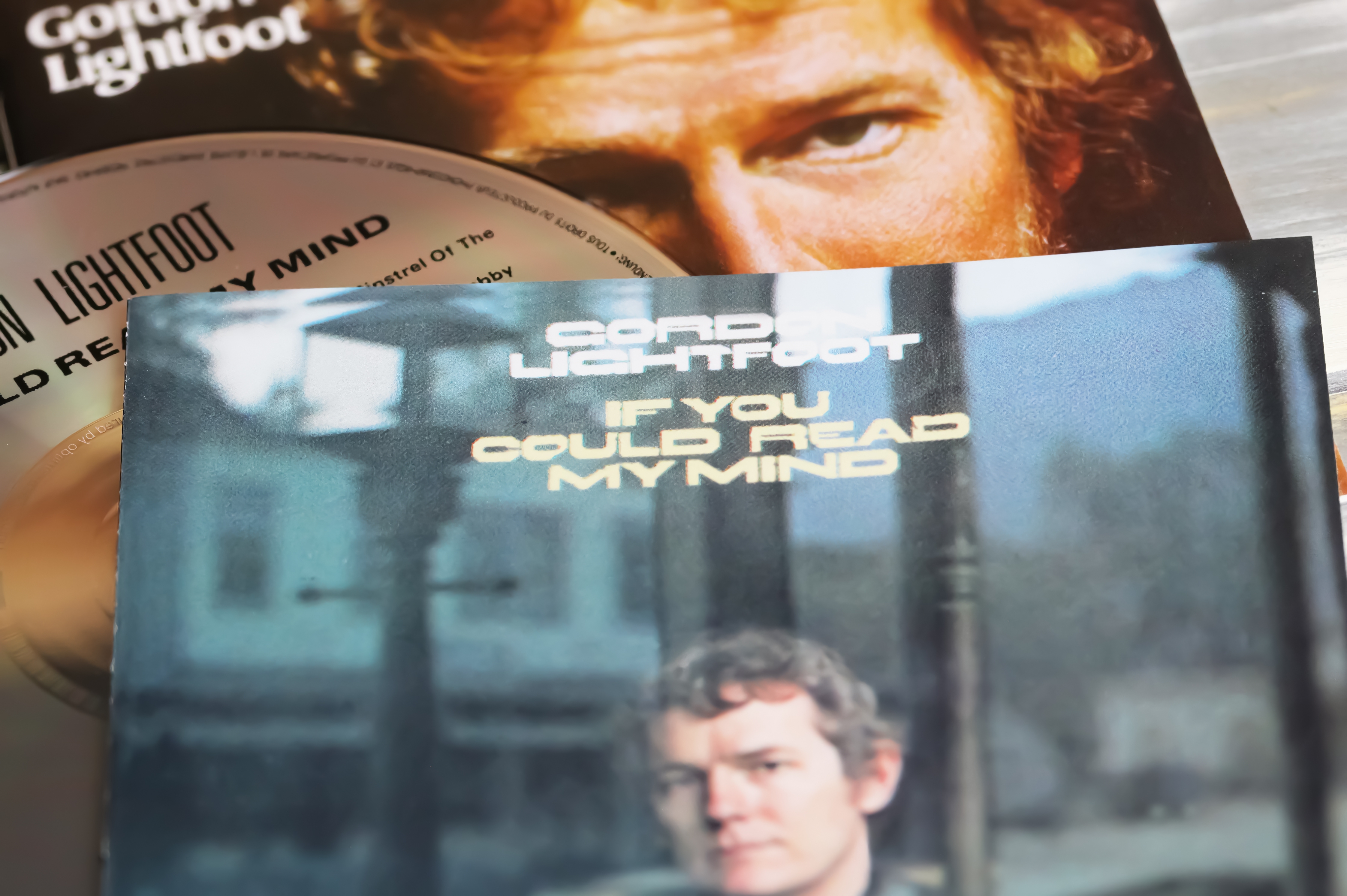
Here’s another Gordon Lightfoot tune that may not be as recognizable as many of the other songs of his that I’ve covered here. Somehow, “I’ll be Alright” crept into my consciousness and I’m happy to offer my cover of the song in this post. To me, the song is as lovely and memorable as many of Lightfoot’s hits including: “If You Could Read My Mind,” “Early Morning Rain,” and “Song For A Winter’s Night.”

Please enjoy this remembrance of the one and only Gordon Lightfoot.

Categories
artists Arts & Entertainment folk music music

The Summer Side of Life


“Summer Side of Life” is the lead-off song from a 1972 Gordon Lightfoot concert in London, England. The song kept rolling around in my head until I decided to learn it and post it here.

Ostensibly, the song is about a young man who returns from the Vietnam War and mourns a lost love and possibly his war experiences. It’s a song about before and after, and maybe two sides of life. After the first two verses, I find the lyrics to be somewhat impenetrable. So, I can’t say for sure what the song is about, but it speaks to me about the difference between youth and old age.

I’d love to have my youth back with my current perspective and the freedom to follow my bliss, as Joseph Campbell says. Wouldn’t it be lovely to have decades to develop ourselves and our abilities without the distraction of economic necessity? Ahhh…if it could only be so.

It’s been fun learning this song. I hope you enjoy it.

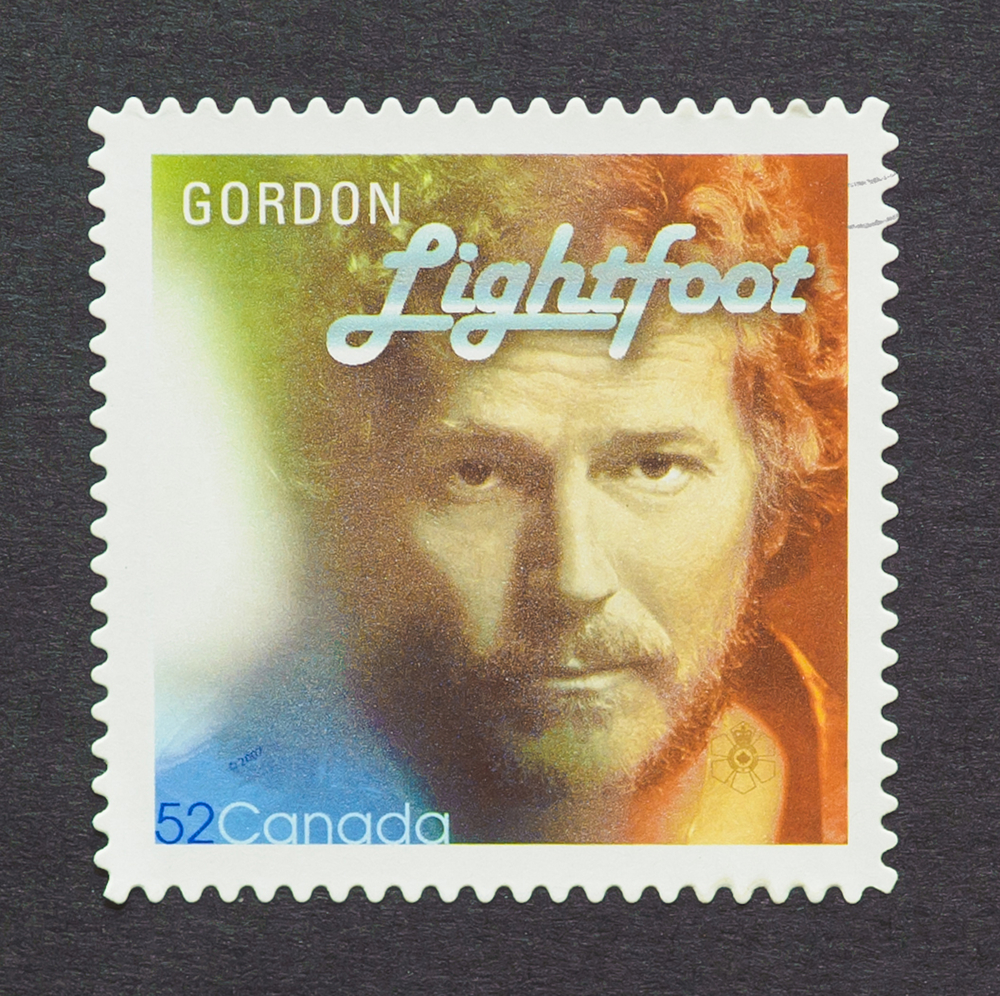
Did they really make a Canadian stamp imprinted with a portrait of GL as a young man?

Categories
acoustic guitar artists Arts & Entertainment music profiles

On The Road To Find Out


In this life, change is constant. This is not news to most of us. However, some things never change. A good example is the music of the artist profiled in this post. In 1977, after years of contemplation and a near-death experience with tuberculosis, Cat Stevens converted to Islam and radically changed his lifestyle. He is now known as Jusuf Islam, but the beauty and truth of his music haven’t changed. Jusuf’s songs have endured and are still relevant almost fifty years after they were released. His unique guitar style and vocalizations have remained bright, new, and refreshing through the intervening decades.

“On The Road To Find Out” is a song about a young man who sets out on a journey to clear his mind and see what he can discover. The song parallels Stevens’ life experiences. After a seven-month recovery from tuberculosis, Stevens felt a deep emptiness in his life and a yearning for something more. Out of these ashes, “On the Road to Find Out” was born. The lyrics are not about traveling in a physical sense. They are about Stevens discovering who he was and the purpose, if any, of his existence. Stevens achieved fame and fortune in 1967 at the age of only eighteen when his first three singles hit the charts in his native England. Like many of his recording artist peers, Stevens examined his noteworthy accomplishments and found they had not brought him the peace of mind or happiness he envisioned.

Many of Stevens’ songs reflect his quest for existential answers and a deep sense of fulfillment. I can only hope he found it.

Here’s my cover of this song’s rich lyrics and beautiful melody.

Categories
Arts & Entertainment Interviews music reflections

Love Found And Lost


“Sky Blue and Black” by Jackson Browne is an emotional roller coaster, looking back on the joys and sorrows of love and its lasting impact. Browne wrote the song over a four-year period and released it on his album “I’m Alive” in 1992. The source material comes from Jackson’s relationship with a famous actress. However, Browne never wants his songs to be identified with his specific life events, so he rarely speaks about his real-life relationships, especially in context with his music.

“It’s a drag to even imagine that people are thinking about [the] relationship instead of their own lives,” Jackson told the Los Angeles Times. “I think if a song is any good, eventually it’ll turn out to be about the life of the listener and not about the life of the writer. Anyway, that’s my hope.”

Here’s my cover of “Sky Blue and Black”.

Categories
Arts & Entertainment folk guitar folk music music

The Beauty of the Bells


Have you heard of Steve Gillette? If you were alive in the 1960s and liked folk music, there’s a chance the name rings a bell. Gillette never reached the top of the charts, but he’s a very talented singer/songwriter. Many of his songs have been performed by artists you have heard of, including John Denver, Gordon Lightfoot, Ian and Sylvia, Nanci Griffith, and Linda Ronstadt.

The Bells in the Evening appears on Gillette’s debut album released in 1967. The album, simply titled “Steve Gillette,” stands as one of Steve’s finest recordings. “The Bells” is a bittersweet (actually sweet bitter) song of love blossoming in the spring and fading away in the fall. It’s a song full of immense joy and sorrow that combine in a mixture of incredible beauty. The song is also replete with imagery. When you listen, what images come to your mind?

I’ve revisited “The Bells of the Evening” adding some embellishments and the sound of my new guitar. Here’s my cover.